
How to Choose the Right Interior Designer for Your Home
Hiring an interior designer is one of the most important decisions you'll make during a renovation or home improvement project. The right designer doesn't just help you choose finishes and furnishings—they become your advocate, your guide, and your creative partner throughout what can often be a complex and emotional process.
Over the past decade, we've had the privilege of working with homeowners throughout Piedmont, Berkeley, Oakland, San Francisco, Tahoe, Marin and beyond. Some clients come to us at the very beginning of their journey, while others have already worked with designers, architects, or contractors before finding us. Looking back, the most successful projects almost always have one thing in common: the relationship between client and designer is built on trust from the very beginning.
If you're considering hiring an interior designer, here are a few things we believe are worth thinking about before making your decision.
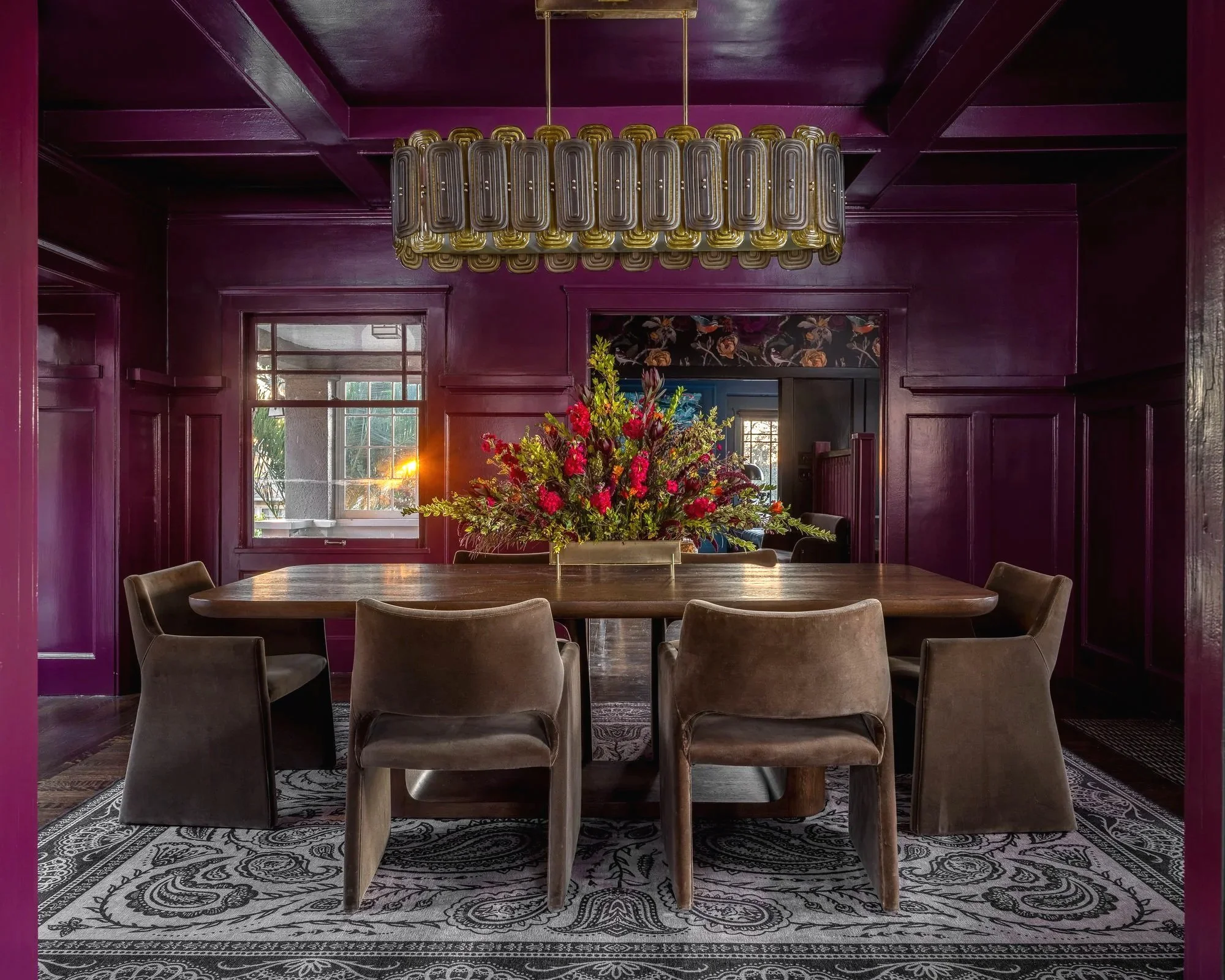
Color Drenched Dining room
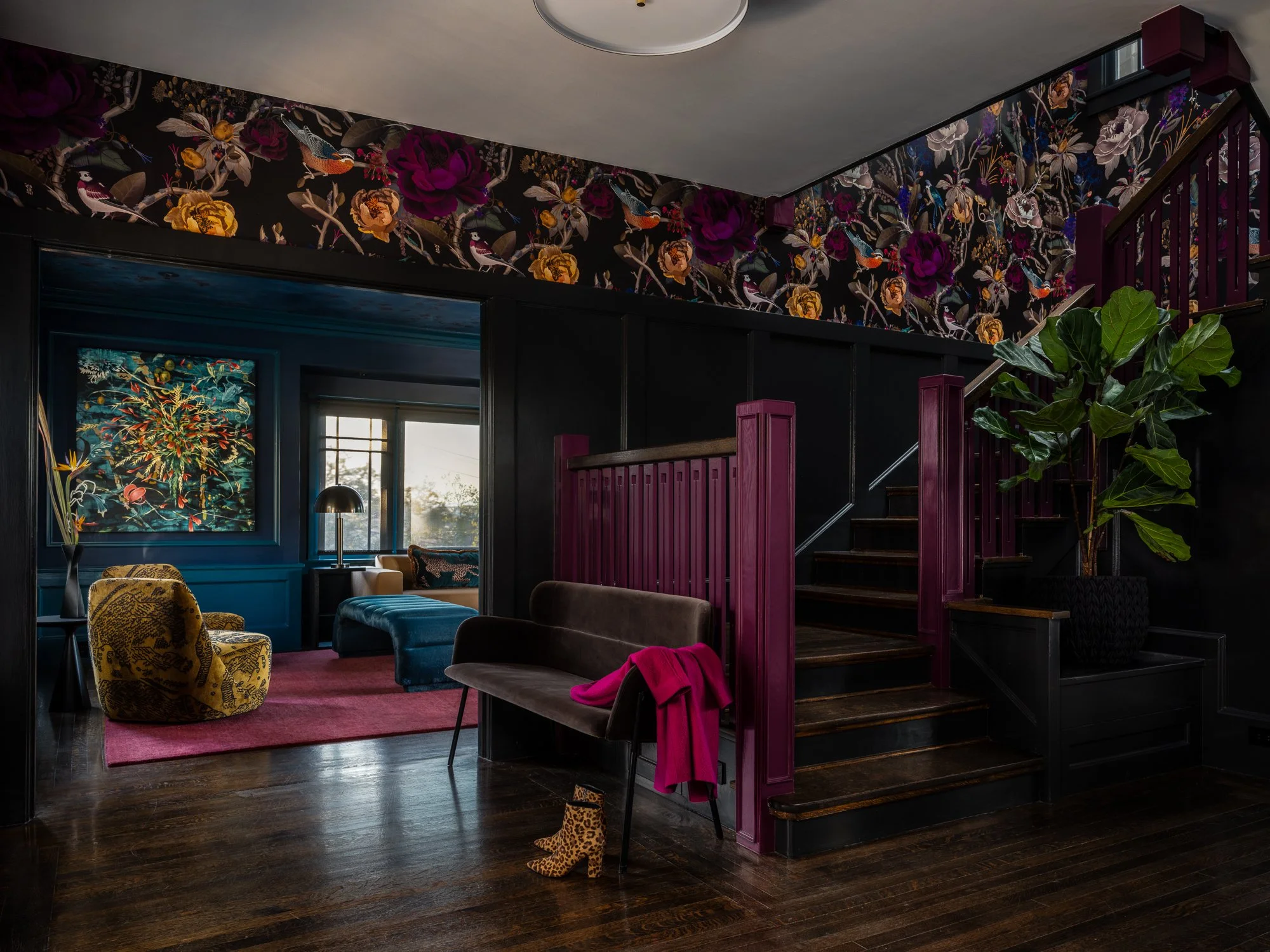
Colorful Floral Entry
Start by Understanding Your Goals
You don't need to have every detail figured out before speaking with a designer. In fact, most people don't. That's part of the reason we're here. What is helpful, however, is having a general understanding of what you're trying to accomplish. Are you updating a kitchen? Remodeling an entire home? Adding living space through an addition, ADU, or basement dig-out? Or are you looking for help furnishing and finishing an already completed renovation?
Understanding the scope of your project will help determine what type of designer is best suited to your needs. Some firms focus exclusively on furnishings and decoration, while others, like Hanomoco Design, work extensively with construction projects, coordinating alongside architects, contractors, engineers, and city agencies throughout the remodeling process.
Be Honest About Budget
Budget conversations can feel uncomfortable, but transparency from the start benefits everyone. A good designer isn't there to judge your budget—they're there to help you make the most of it. Understanding what you're comfortable investing allows your designer to make thoughtful recommendations, establish priorities, and create a plan that aligns with your goals.
The most successful projects are rarely the ones with the biggest budgets. They're the ones where expectations, priorities, and resources are aligned from the beginning.
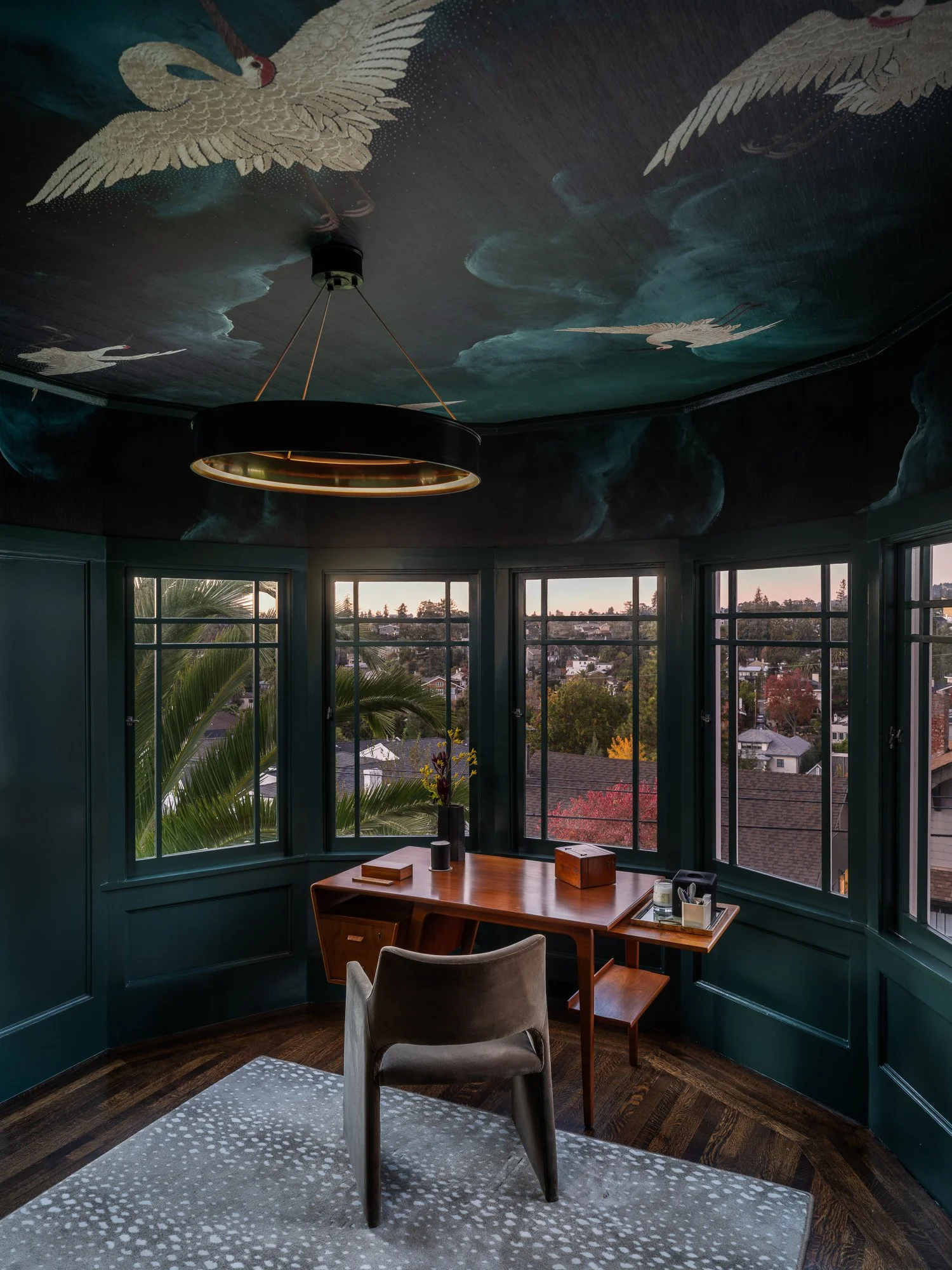
Dark Green Painted Office, with Birds papered onto the ceiling.
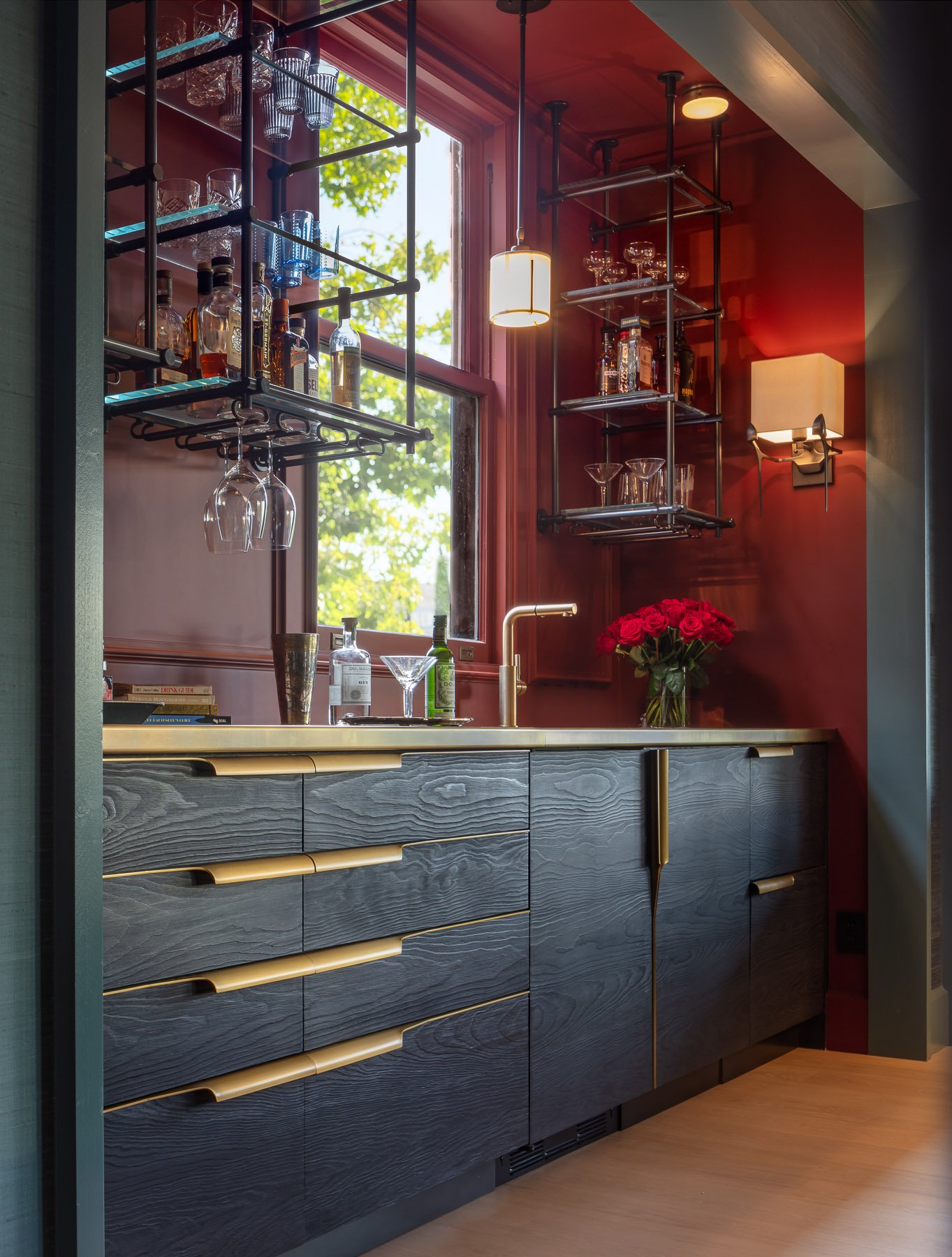
Charred Pine Bar Cabinets
Think About Timing
Many homeowners are surprised to learn that experienced design firms are often booked several months in advance. Whether you're planning a major renovation or furnishing a new home, it's worth starting conversations earlier than you think you need to. Design development, permitting, contractor selection, procurement, and construction all take time, and thoughtful projects rarely benefit from being rushed.The earlier a designer becomes involved, the more opportunity there is to influence the outcome in meaningful ways.
Look Beyond Aesthetics
It's natural to begin your search by looking at portfolios. After all, you're hiring someone to help shape the look and feel of your home. But beautiful photographs only tell part of the story.
When reviewing a designer's work, pay attention to whether the projects feel personal. Do the homes reflect the people who live there, or do they all look the same? Great designers bring a point of view, but they should never impose it.At Hanomoco Design, we often say that every home should feel like a reflection of its owners—not a reflection of the designer's ego.Look for evidence of problem-solving, craftsmanship, and thoughtful planning. Read testimonials carefully. The most meaningful reviews often speak less about how a room looks and more about how the process felt.
Ask About Process
Every designer works differently. Some provide conceptual ideas and leave implementation to others. Some focus exclusively on furnishings. Others manage projects from initial planning through final installation. Ask prospective designers how they work. Who will be your primary point of contact? How are decisions made? How often will you meet? What happens when unexpected issues arise during construction?
There is no single right answer, but there should be a clear answer. A well-defined process creates confidence and helps prevent misunderstandings later.
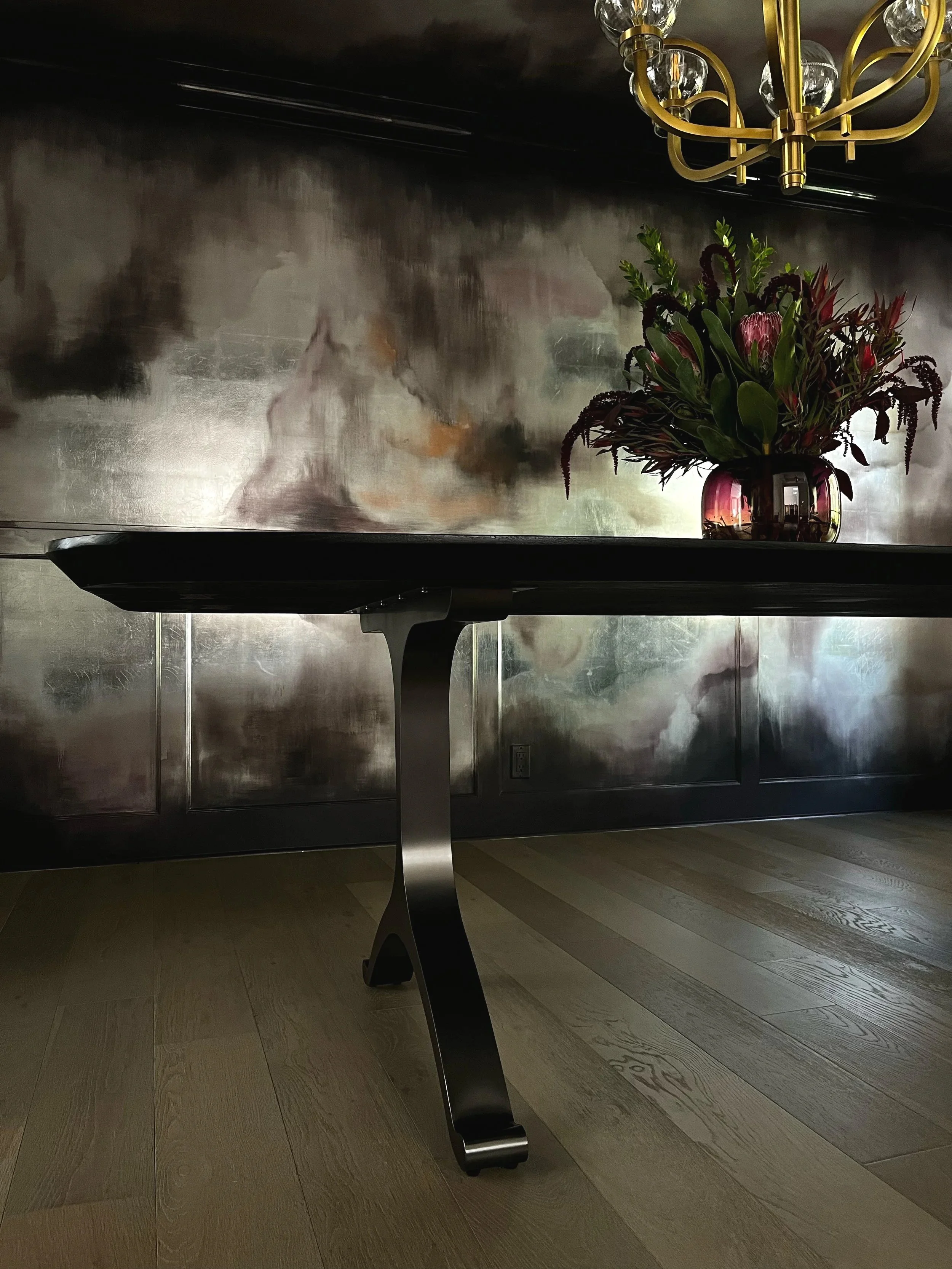
Custom Designed Oak Dining Table
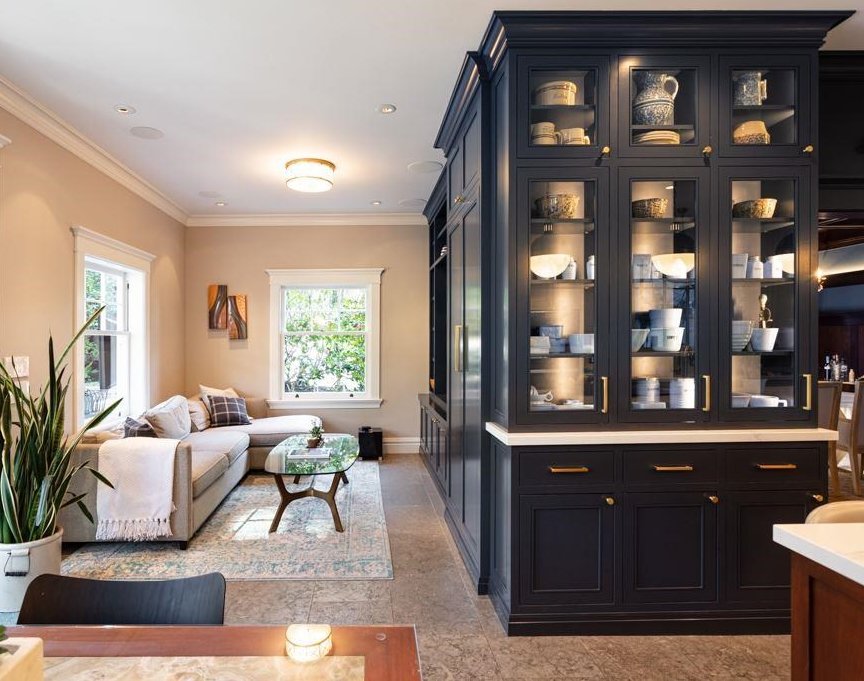
KItchen Display Cabinets
Pay Attention to the Conversation
One of the most revealing moments often happens during the very first meeting. A designer should certainly be able to talk about their work, but they should be equally interested in learning about you. How do you live? How do you entertain? What frustrations do you have with your current home? What spaces do you naturally gravitate toward? What do you want your home to feel like when friends and family walk through the front door?
The best design solutions rarely begin with furniture or finishes. They begin with understanding the people who will live in the space.
Watch for Red Flags
Like any professional relationship, trust and transparency matter. Be cautious if fee structures feel vague or difficult to understand. Professional design services should be clearly outlined in writing, with a defined scope, billing structure, and expectations. Similarly, be wary of anyone who seems more interested in selling than listening. Designing a home is a collaborative process, and successful projects depend on open communication and mutual respect.
Choose the Designer You Want Beside You
A renovation is rarely a straight line. There will be hundreds of decisions, occasional surprises, and moments where experience becomes invaluable. For that reason, choosing a designer isn't just about finding a portfolio you admire. It's about finding someone you trust to guide you through the process. The best projects are built on partnership. When we begin working with a client, we're not simply selecting finishes or creating drawings. We're helping shape the backdrop for family dinners, holiday gatherings, quiet mornings, and everyday life. That's a responsibility we take seriously.
If you're considering a renovation, addition, ADU, kitchen remodel, or whole-home transformation, we'd be happy to have a conversation about your goals and help you determine whether we're the right fit for your project.
After all, great design starts with a great relationship.
Here’s how to get in touch:
Send us a message here.
Visit our website at www.hanomoco.com to browse recent work and learn more about our approach.
Follow us on Instagram https://www.instagram.com/hanomocodesign/ for a peek behind the scenes and project updates.
Let’s design something meaningful—together.